- Call Us
- +1 863 687 8545

How Architecture Influences Graphic Design
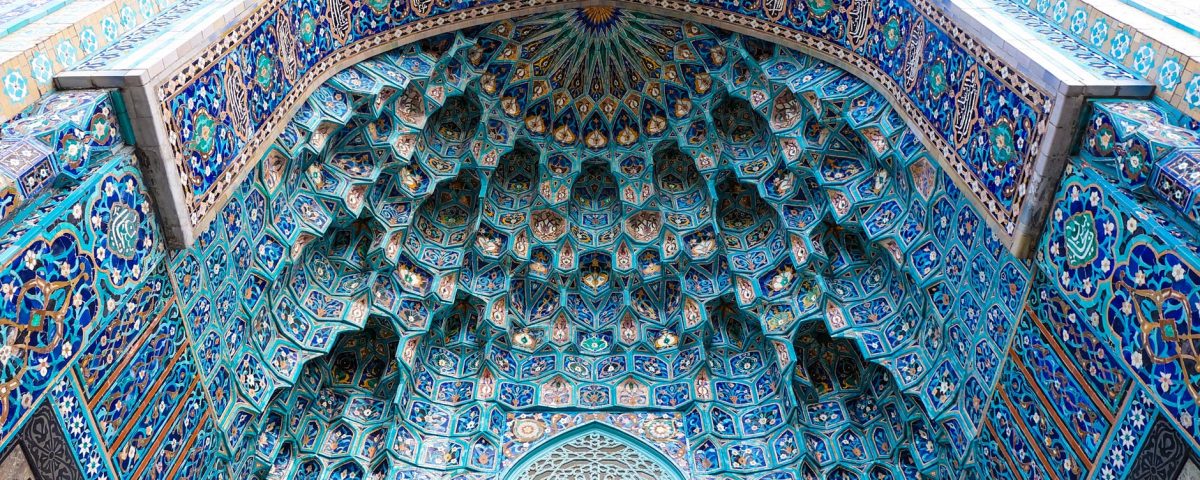
The creative fields of architecture and graphic design have many elements in common. In fact, you might be surprised by the many ways architecture influences graphic design and vice versa. They both use the principles of space, design, and movement to grab attention, inspire action, and make one project stand apart from others. Both design fields rely on a combination of form, function, shape, and vision to create a unique product and viewpoint. Both design aspects also rely on their inherent ability to use tone and mood to elicit emotional responses from their viewers.
Architecture and graphic design are creative, artistic, and practical. Creatively, both skillsets work to combine design elements and components in interesting ways. While architecture relies on glass, brick, mortar, and moldings, graphic design relies on color, lines, shapes, and fonts. Buildings with built-in lettering rely on many of the same graphic design ideals behind font impact and selection. Additionally, both use their chosen creative elements to design stunning pieces that draw the right sets of eyes to their finished products. Both draw attention to key features and tempt the viewers eye with interesting elements. Both use creativity to make each project unique for each client. Both use design principles to speak to their respective target audiences.
We live in a digital, technological age that influences everything we do. Architecture and graphic design use technology to create design drafts, make changes as the project evolves, implement production, and speed up delivery. In fact, architecture influences graphic design because technology allows them to work together seamlessly. Space, lines, flow, and confluence are ideologies of both design aspects. Whether designing a residential or commercial building or a complete brand identity or product tag, space, white space, the psychology of color, the feel, tone, and flow of the design, and the congruency of the finished product are critical design points. How the buyer, or potential buyer, reacts emotionally, how they respond to the finished design, and whether the ideal consumer makes a purchase decision all depend on the successful implementations of the designer.
Both design aspects count on an exchange of ideas between client and designer. Both depend on a vision of the finished design. Both depend on a clear, concise identification and understanding of the target market and the intended use for the complete design. The graphic design team at DPRINT draws inspiration and ideas from a number of areas. Architectural influences are certainly among that number. In fact, when we create the signs, decals, and warning and caution labels in our Ready Ship Look Book, the shape and structure of the products they’ll be adhered to are of extreme importance. Our durable, affordable, eye-catching vehicles wraps also follow the shape, flow, and architecture of the car, bus, van, or aircraft we’re designing for.
When you’re ready to put the principles of graphic design, the durability of architectural design, and the power of color and shape to work for your business, the team at DPRINT is here to help. We have almost 80 years of industry experience, a customer-focused business model, and a Can Do spirit that puts your business first.
Did you receive the latest edition of our Lasting Impressions By DPRINT newsletter in your inbox this morning? If not, subscribe to our newsletter and blog today. You’ll love our weekly newsletter designed with your business and graphic design goals in mind.